

Ozempic nausea tends to be worst in the first weeks and after each dose increase, and what you eat can make it noticeably better or worse. Small, plain, low-fat meals eaten slowly usually sit best. Large, fried, creamy or very sweet meals usually sit worst. This guide gives you a food-level plan for a Singapore table, a way to keep protein up when you can barely face food, and a clear list of signs that mean you should call your doctor.

Why does Ozempic nausea happen on GLP-1 medication?
GLP-1 medication copies a gut hormone that tells your brain you are full. It also slows how quickly your stomach empties. Think of a sink that drains slowly. A small amount of water disappears without fuss, but fill the basin and it threatens to overflow. A big plate of food does the same thing in your stomach, and the result is fullness, bloating and queasiness.
The numbers show how common this is. In the STEP 1 trial, 44.2% of adults taking semaglutide 2.4mg reported nausea, compared with 17.4% on placebo. In the SURMOUNT-1 trial of tirzepatide, nausea affected roughly 25–33% of people across the three doses, against 9.5% on placebo. An expert consensus on managing these effects describes them as usually mild to moderate and most common while the dose is being increased, and recommends changing how and what you eat as the first step.
Will GLP-1 medication make you nauseous?
It might. Roughly 1 in 4 to 4 in 10 people in the trials above reported nausea, depending on the drug and dose. Many people have none, and for most who do, it eases as the body adjusts.
You are more likely to feel it after a dose increase, after a large or greasy meal, or when you eat faster than your stomach can empty. That last one matters most, because it is the part you can change.
What foods help with nausea on GLP-1 medication?
Choose bland, soft, low-fat foods in small portions, and eat them slowly. Cool or room-temperature food usually smells less than hot food, which helps when cooking smells put you off. Stop at the first sign of fullness, not at "finished".
Gentle foods that work at a Singapore table
You do not need special "diet" food. Many familiar local dishes are already gentle:
- Plain rice porridge (congee) with a few slices of fish or shredded chicken. It is soft, warm and easy to eat in small spoonfuls.
- Chawanmushi or plain steamed egg. Smooth, mild and a good protein source when a fried egg sounds awful.
- Clear sliced-fish soup with a little bee hoon, rather than milk-based or creamy versions.
- Silken tofu, cold or lightly steamed, with a drizzle of soy sauce.
- Plain crackers, dry toast or a few spoons of plain rice to settle an empty stomach first thing in the morning.
- Banana, steamed apple or watermelon for a little energy without heaviness.
- Ginger tea, barley water or clear chicken broth to sip between mini-meals.
Make the food easier to tolerate
Temperature and smell change how a meal feels. If the smell of hot food sets you off, let it cool or eat it chilled. Open a window or use the exhaust fan while cooking. If you are not the one cooking, ask someone to plate your food away from you.
Small, frequent meals also help. Many people do better with five or six mini-meals of a few spoonfuls each than with three "proper" ones.
What should I avoid while on GLP-1 medication?
Avoid large portions, greasy or deep-fried food, very rich or spicy dishes, sugary drinks and alcohol. Fat is the slowest nutrient to leave your stomach, so heavy, oily meals are the most common trigger. Also avoid eating fast and lying down straight after a meal.
In a hawker-centre setting, these are the usual culprits:
- Coconut-rich dishes such as nasi lemak, laksa and rendang. Coconut milk is high in fat.
- Fried food such as char kway teow, fried chicken wings, curry puffs and roti prata.
- Sweet drinks such as teh tarik, sweet kopi, bubble tea and canned drinks. They add sugar without much else, and a large cup can feel heavy.
- Strong-smelling food such as durian or very pungent dishes, if smell is a trigger for you.
- Alcohol, which can irritate the stomach and worsen dehydration.
- Full-size hawker portions. They are built for a full appetite. Ask for less rice or noodles, or share a plate.
Habits that make nausea worse
The expert consensus recommends eating slowly, using smaller portions, stopping when you feel full and avoiding lying down after meals. A few more things to watch:
- Drinking large amounts with a meal, which fills the stomach before the food does. Sip between meals instead.
- Skipping meals all day, then eating one big dinner. The big meal is the one most likely to make you sick.
- Having kopi on a completely empty stomach, if that tends to turn it.
- Pushing through "just a few more bites" after you already feel full.
How do I get enough protein when I feel sick?
Go for soft, mild or liquid protein in small amounts, spread across the day, rather than trying to finish a full meal of meat. Eat the protein part of your mini-meal first, while you still have room. Aim to get something in at every sitting, even if it is only a few spoonfuls.
This matters more than people expect. Protein needs stay the same while appetite shrinks, and in a body-composition sub-group of STEP 1, lean mass made up up to about 40% of the weight lost. Lean mass includes muscle. In everyday life, that shows up as softer arms, heavier shopping bags and stairs that feel steeper.
A common frustration we hear from people on GLP-1 medication is that meat and eggs, the usual protein foods, are the first things they cannot face. So the trick is to find the protein form your stomach accepts that week.
A queasy-day protein plan
- Start soft. Chawanmushi, silken tofu, soft scrambled egg, or congee with fish. A large egg gives roughly 6g of protein, and 100g of steamed white fish roughly 20g (approximate values from standard food composition tables).
- Try cold or liquid protein. Unsweetened soya milk, a thin yoghurt-style drink or a protein drink. Cold liquids often go down more easily than a hot plate.
- Sip, don't gulp. Have a small glass over 20–30 minutes.
- Eat every 2–3 hours. Set a phone reminder, since your hunger signal may stay quiet.
- Pick one anchor. Choose one protein you can nearly always manage and eat it daily, rather than hoping for a perfect meal.
How much should you aim for? The PROT-AGE expert group suggests 1.0–1.2g of protein per kg of body weight a day for healthy older adults. For a 65kg person, that is about 65–78g. People losing weight quickly are often advised to aim a little higher, so ask your doctor or dietitian for a number that suits you, especially if you have kidney problems.
Protein works best alongside movement. Even regular stair climbing, a resistance band or a brisk walk gives your muscles a reason to hold on to what they have. For a wider look at building meals around a small appetite, see our guide to a balanced diet for weight loss on GLP-1 medication.
Hydration and eating patterns that help
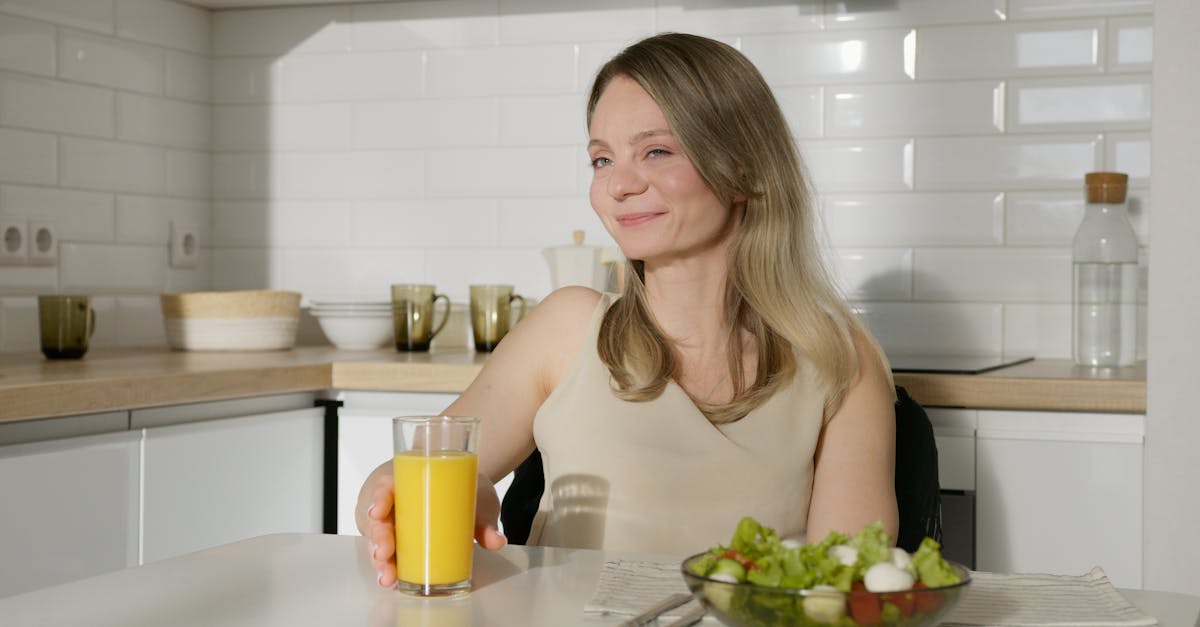
Dehydration makes nausea worse, and nausea makes you drink less. It is easy to get stuck in that loop. Break it with small sips throughout the day rather than a big glass at once.
- Keep a bottle within reach and take a few sips every 10–15 minutes.
- Try ice chips, barley water, clear broth, weak tea or diluted coconut water if plain water tastes off.
- If you have had a few bouts of vomiting or loose stools, an oral rehydration solution from the pharmacy is gentler than plain water alone.
- Drink between meals more than with them.
- Notice your own pattern. Some people feel worst in the day or two after their injection, and others only after a dose increase. If you can spot it, you can plan lighter meals around it.
If nausea keeps you from eating or drinking properly, tell your doctor. Do not change or skip your medication yourself. Whether to adjust the dose or timing is a decision for your prescriber.
When is GLP-1 nausea a reason to see a doctor?
See a doctor if you cannot keep fluids down for a day, vomit repeatedly, or have severe stomach pain. Mild, on-and-off queasiness is common. Nausea that stops you drinking, or comes with other warning signs, is not something to wait out.
Get medical help promptly if you notice:
- Severe pain in the upper tummy that may spread to your back, especially with repeated vomiting.
- Pain in the upper right tummy after eating, particularly fatty food, or yellowing of the skin or eyes.
- Signs of dehydration: very dark urine, dizziness when standing, a dry mouth, or passing very little urine.
- Vomit that contains blood, or black or bloody stools.
- Fever with persistent vomiting or diarrhoea.
- Nausea that is getting worse over time rather than easing.
For a fuller picture of what is common and what is not, read our article on GLP-1 side effects in Singapore.
Frequently asked questions
How long does Ozempic nausea last?
It varies. Trial data and expert guidance describe it as mostly mild to moderate and tied to dose increases, so it often settles as your body adjusts. If it drags on or worsens, speak to your doctor.
Does ginger help with nausea on GLP-1 medication?
Many people find ginger tea or a few slices of fresh ginger in clear soup soothing, and it is a low-risk thing to try. It will not replace the basics: small portions, low fat and slow eating.
Is it okay to skip a meal if I feel sick?
Skipping one meal on a rough day is not a disaster. Try to replace it with something small, such as a few sips of soya milk or a spoonful or two of congee, and return to regular mini-meals as soon as you can. If you cannot eat or drink for a full day, call your doctor.
If getting enough protein in is hard on a small appetite, a protein drink such as Daily Protein+ is one option.
This article is for general information only and is not intended to diagnose, treat, cure or prevent any disease. Speak to your doctor before changing your diet or starting a supplement.
References
- Wilding JPH, et al. Once-Weekly Semaglutide in Adults with Overweight or Obesity (STEP 1). New England Journal of Medicine, 2021. https://doi.org/10.1056/NEJMoa2032183
- Jastreboff AM, et al. Tirzepatide Once Weekly for the Treatment of Obesity (SURMOUNT-1). New England Journal of Medicine, 2022. https://doi.org/10.1056/NEJMoa2206038
- Gorgojo-Martínez JJ, et al. Clinical Recommendations to Manage Gastrointestinal Adverse Events in Patients Treated with GLP-1 Receptor Agonists: A Multidisciplinary Expert Consensus. Journal of Clinical Medicine, 2023. https://doi.org/10.3390/jcm12010145
- Bauer J, et al. Evidence-Based Recommendations for Optimal Dietary Protein Intake in Older People: A Position Paper From the PROT-AGE Study Group. Journal of the American Medical Directors Association, 2013. https://doi.org/10.1016/j.jamda.2013.05.021